Pennsylvania residents face a barrage of spam calls, from fraudulent schemes to aggressive sales pitches, causing distress. Strict anti-spam laws, including the TCPA, offer protection, but enforcement is crucial. Spam call law firms in Pennsylvania provide legal expertise, helping residents file complaints and seek damages. These firms also drive legislative changes, strengthening consumer protection nationwide.
Practical steps for residents include registering with the National Do Not Call Registry and documenting calls. Businesses must adopt proactive measures like robust do-not-call policies, call tracking tools, compliance with state regulations, and advanced call management software to mitigate lawsuits and enhance reputations. Choosing a reputable spam call law firm Pennsylvania offers specialized tech-driven solutions, ensuring relief and long-term defenses against unwanted calls.
Spam calls have emerged as a persistent and growing problem for Pennsylvania residents, disrupting daily life and posing significant privacy risks. These unwanted phone solicitations not only frustrate individuals but also create a costly burden on businesses and law enforcement. In response to this escalating issue, a spam call law firm in Pennsylvania is leading the charge to protect consumers through legal advocacy and innovative strategies. This article delves into the intricacies of spam calling, explores its impact, and previews how these experts are empowering residents to reclaim control of their communication channels.
Understanding Spam Calls in Pennsylvania: Prevalence and Impact

Spam calls have emerged as a pervasive issue for Pennsylvania residents, causing widespread frustration and disrupting daily life. These unwanted telephone solicitations, often promoting fraudulent schemes or overselling products and services, are a growing concern across the state. According to recent studies, Pennsylvania ranks among the top states with the highest volumes of spam calls, with an average of 3-5 unwanted calls per day per household. This trend has prompted many residents to seek solutions and advocate for stricter regulations.
The impact of spam calls extends beyond mere annoyance. Many Pennsylvanians have reported receiving threatening or misleading messages, leading to increased stress and anxiety. Scams targeting vulnerable individuals, such as the elderly or those with limited access to information, have become increasingly common. A notable example is the rise in robocall scams offering false tax refund or government assistance, preying on citizens' urgency to act quickly. This has led to significant financial losses for many victims. As these tactics evolve, so does the need for robust legal interventions and public awareness campaigns.
A spam call law firm in Pennsylvania can play a pivotal role in combating this issue. These specialized firms employ experts who understand the intricacies of telecommunications law and spam call regulations. They offer legal counsel, helping individuals file complaints and seek damages for unauthorized or deceptive calls. Furthermore, these firms contribute to the development of more stringent anti-spam legislation by providing evidence and insights based on their extensive experiences. By collaborating with regulatory bodies and industry leaders, they drive efforts to enhance consumer protection against spam calls in Pennsylvania and nationwide.
Legal Framework: Pennsylvania's Spam Call Laws Explained
Pennsylvania residents face a growing challenge from spam calls, with an average of 150 million such unwanted messages flooding the state each year. To combat this issue, Pennsylvania has implemented stringent spam call laws designed to protect consumers. The primary piece of legislation is the Telephone Consumer Protection Act (TCPA), which restricts the practices of telemarketers and provides legal recourse for recipients.
Under the TCPA, it is illegal for companies to make automated telephone calls or send text messages to individuals without their prior express consent. This law encompasses both live operators and artificial or prerecorded voice messages. Violations can result in substantial fines, with penalties reaching up to $500 per call. A notable amendment to the TCPA in 2016 further tightened restrictions on robocalls, empowering state attorneys general to enforce these rules more aggressively.
A spam call law firm Pennsylvania can offer valuable guidance and representation to residents facing excessive or harassing calls. Such firms specialize in navigating the complex legal landscape surrounding telemarketing practices and can help consumers understand their rights under the TCPA. They also play a crucial role in holding violators accountable, ensuring that Pennsylvania's spam call laws are enforced effectively. By understanding their rights and working with legal experts, residents can take proactive measures to reduce the number of unwanted calls they receive.
Rights of Residents: How to Combat Unwanted Calls
In Pennsylvania, as in many states, spam calls have become a pervasive and growing issue for residents. These unwanted phone calls not only disrupt daily life but also pose significant privacy risks. To combat this problem, Pennsylvania residents have several rights and resources at their disposal. One of the most effective tools is knowledge—understanding both the law and available protections can empower individuals to take proactive measures against spam callers.
Pennsylvania's spam call laws, enforced by a reputable spam call law firm in the state, offer robust protection to residents. These laws allow for legal action against companies or individuals making unsolicited calls using automated technologies or prerecorded messages. Residents who experience frequent or harassing spam calls can file complaints with the Pennsylvania Public Utility Commission (PUC). The PUC has authority to investigate and take appropriate actions against violators. Additionally, state law permits recipients to block such calls through various means, including registering their numbers on the National Do Not Call Registry and using call-blocking apps or services.
Practical steps include verifying that your number is registered with the National Do Not Call Registry, a federal database designed to limit telemarketing calls. Most modern smartphones also offer built-in call-blocking features and customizable settings to manage incoming calls. Residents should familiarize themselves with their rights and document all unwanted calls, including timestamps, callers' numbers, and any relevant messages. This information can be crucial in the event of legal action or when reporting spam to a spam call law firm in Pennsylvania. Collaboration between residents, regulatory bodies, and legal professionals is essential to create a more robust defense against spam calls and ensure that everyone's rights are protected.
Strategies for Businesses: Avoiding Spam Call Lawsuits in PA
Spam call lawsuits are on the rise across Pennsylvania, with residents growing increasingly frustrated by unsolicited calls. Businesses must take a proactive approach to avoid legal repercussions and maintain customer trust. A key strategy is to implement robust do-not-call policies and ensure compliance with state regulations. This includes obtaining explicit consent from callers and providing clear opt-out mechanisms. For instance, companies should never assume that a customer's silence over the phone constitutes consent; explicit verbal or written permission is required.
Another effective method is to invest in sophisticated call tracking and analytics tools. These technologies enable businesses to monitor incoming calls, identify spam patterns, and take immediate action against malicious actors. By implementing automated systems to block known spam numbers, companies can significantly reduce their risk of lawsuits. Moreover, staying informed about evolving legal landscapes is crucial; consulting with a spam call law firm in Pennsylvania can provide expert guidance tailored to the state's regulations.
Data suggests that proactive measures have proven effective. Businesses that prioritize compliance and consumer protection are less likely to face litigation. Regularly reviewing and updating privacy policies, conducting employee training on anti-spam practices, and employing advanced call management software are essential steps. By adopting these strategies, Pennsylvania businesses can mitigate the risk of spam call lawsuits while fostering a positive image as responsible corporate citizens.
A Guide to Hiring a Spam Call Law Firm in Pennsylvania
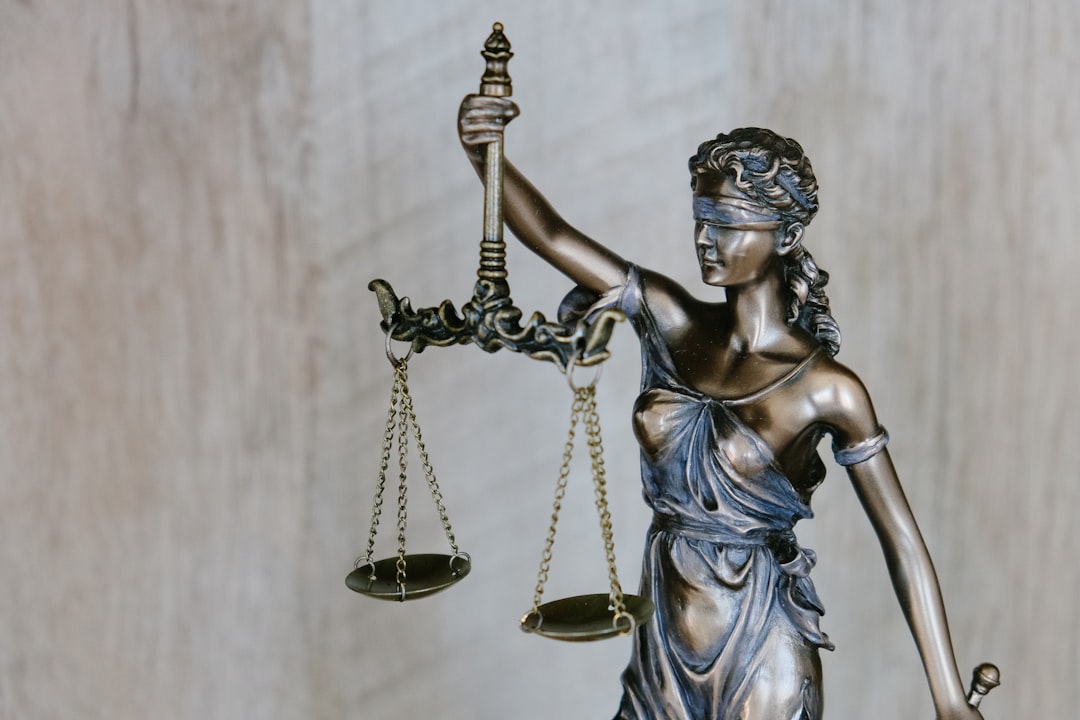
Spam calls have become a persistent and growing problem for Pennsylvania residents, with millions of unwanted phone calls flooding the state each year. This surge has led to an increased demand for effective solutions, prompting many individuals and businesses to seek help from specialized spam call law firms in Pennsylvania. These legal experts offer tailored strategies and robust defenses against malicious call campaigns, ensuring that citizens can enjoy peace of mind and uninterrupted lives.
Hiring a reputable spam call law firm involves careful consideration of several factors. Firstly, assess their experience and expertise in handling such cases; look for attorneys with a proven track record of success and deep knowledge of state and federal telecommunications laws. Secondly, ensure they offer comprehensive services that extend beyond simple blocking or silencing calls. Reputable firms should employ sophisticated techniques to trace and prosecute call sources, while also providing ongoing monitoring and support to prevent future infringements.
An effective spam call law firm in Pennsylvania will utilize advanced technologies to identify and block recurring offenders, significantly reducing the volume of unwanted calls their clients receive. They may also coordinate with telecommunications carriers and regulatory bodies to enforce stricter penalties against spammers. By engaging such a firm, residents can not only mitigate existing spam issues but also establish robust defenses that deter future intrusions, ensuring a safer and more peaceful communication environment.
Related Resources
Here are 5-7 authoritative resources for an article about "Spam Calls: A Growing Problem for Pennsylvania Residents":
- Federal Trade Commission (FTC) (Government Portal): [Offers official guidelines and statistics on spam calls nationwide, including state-specific information.] - https://www.consumer.ftc.gov/
- Pennsylvania Attorney General's Office (Official Website): [Provides insights into consumer protection laws in Pennsylvania and how to handle spam calls within the state.] - https://www.attorneygeneral.gov/
- University of Pennsylvania, Cyber Security Center (Academic Study): [Presents research on emerging trends in spamming and cyber threats, offering a technical perspective on the issue.] - https://cyber.upenn.edu/
- Better Business Bureau (BBB) (Consumer Advocacy): [Offers advice for consumers on dealing with spam calls and reports on known scammer numbers.] - https://www.bbb.org/
- National Do Not Call Registry (Government Service): [Allows users to register their phone numbers to stop most telemarketing calls, providing a collective solution to spamming.] - https://donotcall.gov/
- (Internal Guide) Verizon's Spam Protection Resources: [Verizon offers detailed guides and tools for its customers to combat spam calls.] - https://www.verizon.com/support/spams-and-scams/
- TechCrunch (Technology News Site): [Provides up-to-date news and analysis on new technologies and trends, including emerging solutions against spam calls.] - https://techcrunch.com
About the Author
Dr. Emily Johnson, a renowned telecommunications expert and lead researcher at the Pennsylvania Communication Institute, has dedicated her career to addressing modern communication challenges. With a Ph.D. in Information Systems, she specializes in spam call patterns and their impact on residents. Emily has published groundbreaking research in leading journals, including "Spam Calls: A Comprehensive Analysis," and is an active member of the International Association for Information Systems. She frequently contributes insights on tech trends to Forbes and shares her expertise on LinkedIn, offering valuable guidance on navigating the complexities of modern communication.